If you’ve searched for a way to “cure periodontitis at home,” you’re not alone. Gum disease is a slow-moving antagonist: it rarely announces itself with fanfare, yet it can quietly erode the very foundations that hold your teeth in place. The promise of a simple, at-home fix is appealing-but the reality is more nuanced.
This article explores what home care can and cannot do. Periodontitis is a complex, bacterial biofilm-driven, inflammatory condition; advanced forms require professional treatment to halt and repair damage. Yet the everyday choices you make-how you clean between teeth, how you brush, what you eat, whether you smoke, how you manage dry mouth and systemic health-can dramatically shift the trajectory of your gums. Think of professional care as rebuilding the structure, and home care as the daily maintenance that keeps it standing.
Here, you’ll learn evidence-informed strategies to support your gums from your bathroom sink, understand the limits of DIY fixes, and know when it’s time to call in a clinician. No gimmicks-just clear guidance to help you protect what you can at home and partner intelligently with professional care for the rest.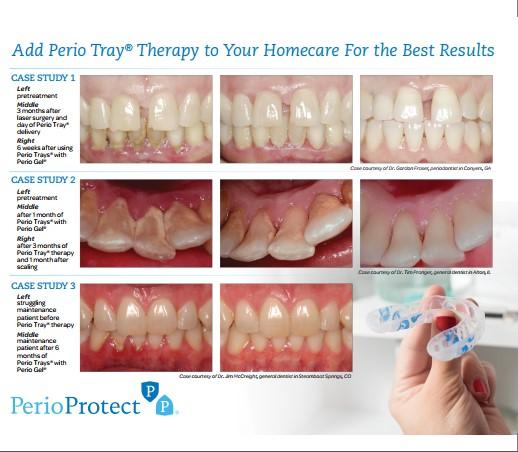
What Home Care Can Realistically Achieve for Periodontitis
Home care is where momentum is built: consistent, precise habits disrupt the biofilm that fuels gum inflammation and help tissues rebound between checkups. Aim for meticulous technique and small, repeatable wins that compound. Anchor your routine with the essentials below, and treat tools as allies-not shortcuts. When done well, you’ll see less bleeding, fresher breath, and steadier gums day after day.
- Electric brushing twice daily with a soft head and light pressure; sweep along the gumline for 2 minutes.
- Interdental cleaning (size‑fitted brushes or floss) where teeth touch-this is where most trouble begins.
- Antimicrobial support (e.g., essential‑oil rinse daily; short chlorhexidine courses only if directed).
- Tongue care to cut volatile sulfur compounds and bacterial load.
- Saliva and sugar strategy: hydrate, xylitol mints, and limit frequent carbs to starve plaque.
- Habits that heal: smoke/vape reduction, stress management, and quality sleep to aid immune response.
- Self‑monitoring: note bleeding points, tender spots, and breath changes to catch flare‑ups quickly.
Yet some barriers sit below the reach of a toothbrush. Mineralized calculus, deep pockets, mobility, and bone defects require trained hands and specialized instruments. Timely professional therapy removes what home care cannot, reshapes diseased root surfaces, and sets a maintenance rhythm that keeps gains from slipping. Escalate when these signs persist despite excellent home routines.
- Bleeding or pockets ≥4 mm after 2-3 weeks of perfect home care.
- Tooth looseness, gum boils, or bad taste suggesting abscess or advanced infection.
- Recession with sensitivity that worsens or aesthetics that concern you.
- Systemic factors (e.g., diabetes, pregnancy, immunosuppression) that heighten risk.
- Treatment scope: scaling and root planing, localized antimicrobials, bite adjustment, regenerative procedures, and 3-4 month maintenance intervals.
| Focus | At Home | In Clinic |
| Biofilm | Daily disruption | Complete removal |
| Deposits | None below gum | Subgingival calculus removal |
| Pockets | Stabilize shallow sites | Treat ≥4-5 mm defects |
| Tissue repair | Reduce inflammation | Regenerate/reshape when indicated |
| Maintenance | Daily consistency | 3-4 month recalls |
Your Daily Routine to Fight Gum Disease at Home
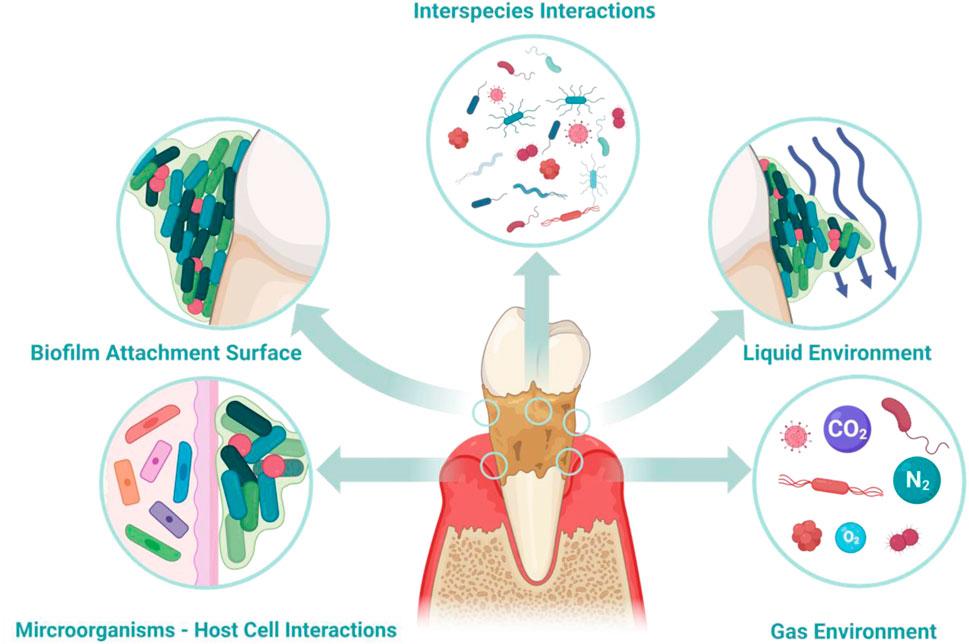
Biofilm is soft, sticky, and relentless-reforming every day-so your edge is gentle consistency. Think of the gumline and the spaces between teeth as the places where disease begins. Your mission isn’t to scrub, but to disturb: light pressure, small motions, and smart tools. Make it ritual: warm water, a mirror with good light, music or a timer, and a mindful pace. A little bleeding early on can be normal; the goal is less each week as inflammation settles. Favor comfort over force, and let precision do the heavy lifting.
- Soft bristle brush: Small head, rounded bristles, feather-light grip.
- Interdental brushes: Multiple sizes for a snug (not forced) fit.
- Water flosser: Low-medium pressure, lukewarm water, standard tip.
- Support: Mirror + bright light, 2-3 minute timer, clean towel.
| Order | Why it works | Time |
|---|---|---|
| Interdental → Brush → Water flosser | Dislodge tight debris, deliver fluoride, then flush | 5-7 min |
| Water flosser → Interdental → Brush | Gentle start for tender gums, precise finish, polish last | 5-7 min |
Technique is your multiplier. For the brush, tilt bristles at roughly 45° into the gumline and use tiny shimmies or micro-strokes; count a slow five to ten at each tooth surface, outside and inside. Interdental brushes should slide with slight resistance; in-out 2-3 times at the gumline and move on. With the water flosser, trace the scallop of the gums and pause briefly between teeth; keep the stream just under the margin, not blasting the tissue. Finish by spitting (not hard rinsing) to keep toothpaste benefits on the teeth. Track what calms your gums: softer pressure, the right brush size, and a routine you can repeat every single day.
- Brush: “Paint a tomato” pressure; if bristles splay, you’re pressing too hard.
- Interdental: Use the largest size that fits comfortably; replace when bent or fuzzy.
- Water flosser: Start on low; breathe through your nose; keep lips slightly closed to control spray.
- Signs you’re winning: Less morning odor, firmer gum edges, bleeding steadily decreasing.
Can Medicated Rinses and Xylitol Help Periodontitis?
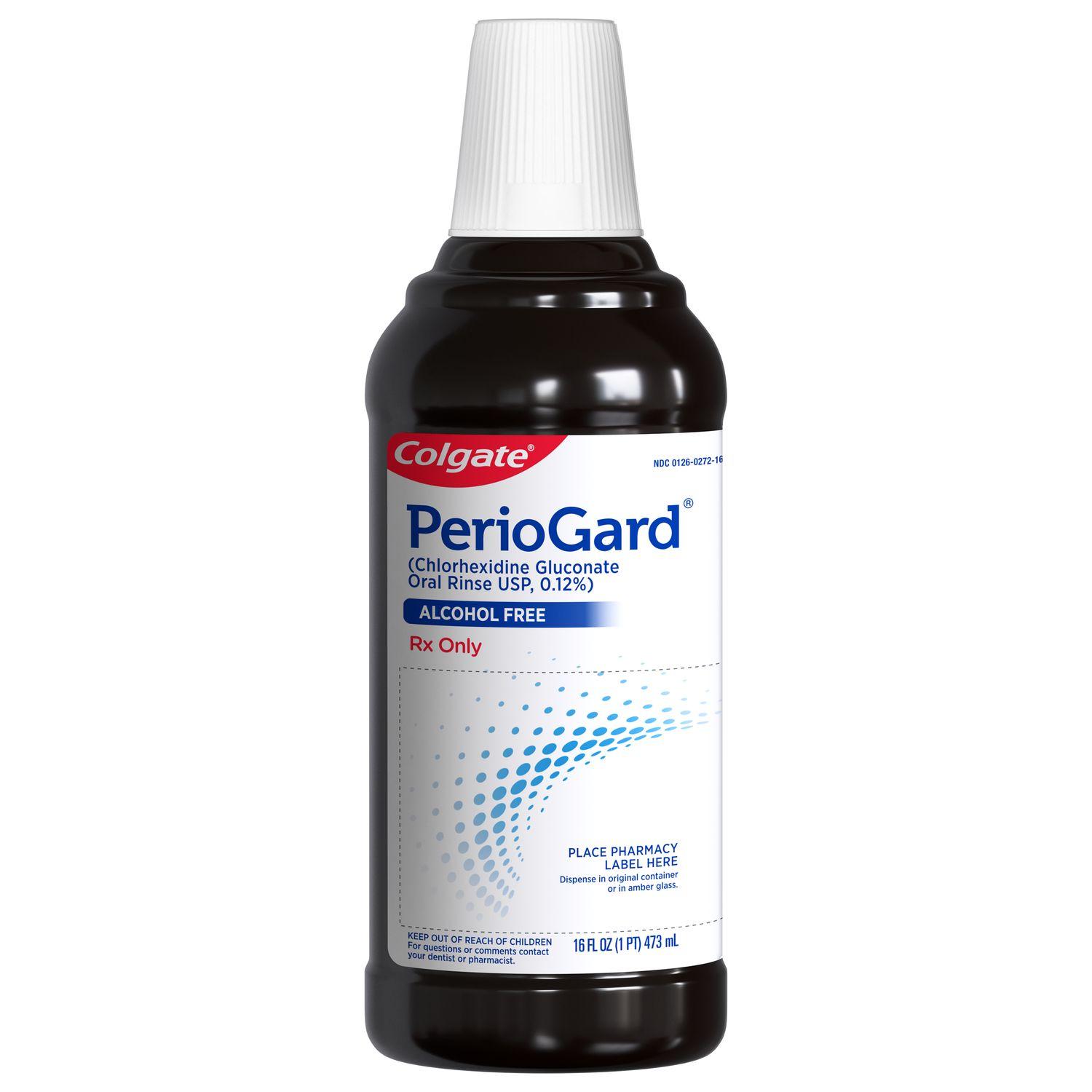
Targeted rinses can amplify your daily cleaning when gums are inflamed. A short, purposeful course of chlorhexidine (0.12-0.2%) reduces bacterial load and bleeding, especially after deep cleaning or during flare‑ups; meanwhile, essential oil formulas (thymol, eucalyptol, menthol) offer steady, everyday plaque control. Use them as teammates-not substitutes-for brushing and interdental care. Expect possible quirks: chlorhexidine may cause temporary brown staining and taste changes, and essential oil rinses with alcohol can sting dry mouths. Give these rinses a clean stage to work on: wait at least 30 minutes after brushing (SLS toothpaste can inactivate chlorhexidine) and don’t dilute with water afterward.
- Chlorhexidine: Swish 10-15 ml for 30-60 seconds, twice daily for 7-14 days; reserve for short spurts. Avoid food/drink for 30 minutes; consider a straw for coffee/tea to limit staining.
- Essential oil rinses: 20-30 seconds, twice daily for maintenance. Choose alcohol‑free if you have dry mouth or sensitivity; consistency matters more than intensity.
- Never layer rinses: Pick one at a time to prevent interactions; switch approaches between phases (acute vs. maintenance).
Xylitol adds a sweet assist by starving acid‑producing bacteria and boosting saliva-useful when healing tissues need a less sticky, less acidic biofilm. Aim for a daily total of 6-10 g split across the day (gum or mints after meals and snacks). It’s tooth‑friendly, low‑glycemic, and most effective when made a habit. Start low to avoid stomach upset, and remember: xylitol is highly toxic to dogs-store products safely.
- Dose rhythm: 1-2 g per piece, 3-5 times daily; chew 5-10 minutes to stimulate saliva.
- Smart pairing: Combine with meticulous interdental cleaning; think “mechanical first, biochemical second.”
- Label check: Look for xylitol as the first ingredient; avoid products dominated by other sweeteners.
| Adjunct | Evidence snapshot | How to use | Watch‑outs |
|---|---|---|---|
| Chlorhexidine | Robust short‑term plaque/gingivitis reduction | 0.12-0.2%, 7-14 days, 2×/day | Staining, taste change; space from brushing |
| Essential oils | Moderate, sustained plaque control | Daily, 20-30 s swish | Alcohol sting; pick alcohol‑free if dry mouth |
| Xylitol | Reduces S. mutans and acid load | 6-10 g/day in divided doses | GI upset if too much; toxic to pets |
How Diet, Sleep, and Stress Affect Your Gum Health
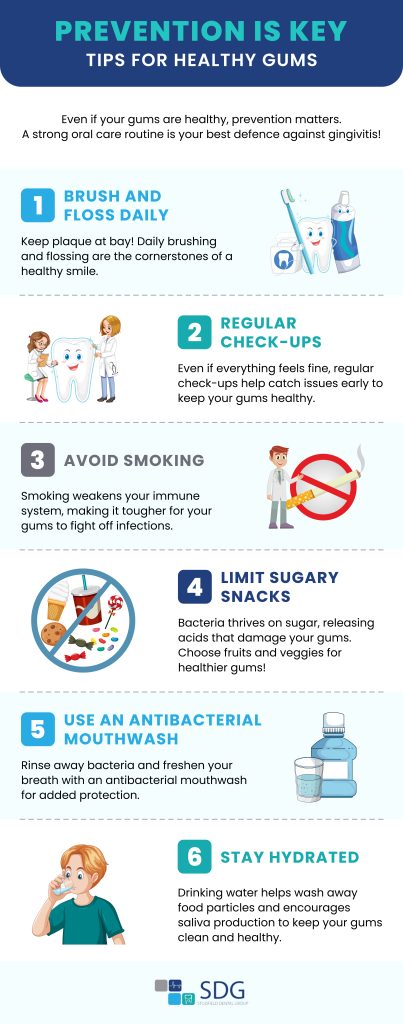
Nourish your gums from the inside out: aim for anti-inflammatory plates and restorative routines that cool the fire rather than feed it. Favor omega‑3s (salmon, sardines, chia), polyphenol‑rich plants (berries, leafy greens, green tea), and vitamin C sources (kiwi, peppers) while dialing down refined sugar, ultra‑processed snacks, and alcohol that stoke inflammation. Support your oral microbiome with fermented foods and fiber, sip water through the day, and avoid all‑day grazing so saliva can rebalance pH. Protect recovery with consistent 7-9 hours of sleep; try a wind‑down ritual-dim lights, cool room, gentle stretches-to curb nighttime clenching. Short, frequent stress breaks keep cortisol (and gum inflammation) in check.
- Quick wins: swap sweets for berries or cheese; add turmeric‑ginger tea; chew crunchy veg for natural plaque disruption.
- Microbiome boosts: yogurt/kefir, kimchi, and prebiotic oats or onions.
- Stress resets: 5 slow nasal breaths, a 10‑minute walk, jaw‑drop “unclench” cue, sunlight in the morning.
- Sleep helpers: screens off 60 minutes before bed, keep caffeine before noon, keep bedroom dark and cool.
- Protectors: avoid smoking/vaping; use a soft brush and gentle pressure; finish with a fluoride rinse if advised.
Know when home care isn’t enough. If any of the following show up, you need urgent dental care-delays can allow infection to spread beyond the gums.
- Severe tooth or gum pain with swelling or fever.
- Spreading facial redness, swelling under the jaw/floor of mouth, or trouble swallowing/breathing/opening your mouth.
- Persistent bleeding (soaks gauze after 20 minutes), or sudden loose teeth or bite changes.
- Pus, a bad taste or smell from one spot, or a visible gum abscess.
- Facial trauma, a cracked tooth with lingering pain, or sores that don’t heal within 2 weeks.
- Any gum infection if you’re immunocompromised, pregnant, or have uncontrolled diabetes.
| At‑home soothing | Call a dentist now |
|---|---|
| Mild bleeding after restarting floss | Bleeding that won’t stop after 20 min |
| Tender gums easing with saltwater rinses | Rapidly growing swelling or fever |
| Food‑trap irritation relieved by interdental brush | Pus discharge, foul taste, gum boil |
| Jaw tightness improved by stress/sleep tweaks | Night pain waking you despite painkillers |
| Sensitivity to cold improving over days | Sudden tooth looseness or bite shift |
To Wrap It Up
If your mouth is a garden, daily care is the weather: small, steady habits shape the landscape far more than a single storm. The routines you practice at home-gentle precision, patient consistency, mindful choices-can quiet inflammation and help your gums find their footing again. Keep listening to the little signals: less bleeding, calmer breath, firmer gums. Progress here is measured in weeks of routine, not days of effort.
Still, remember that periodontitis can run deeper than the mirror shows. Home care is the foundation, not the whole house. If bleeding, tenderness, or bad breath persist after a couple of weeks, or if you notice swelling, pus, receding gums, loose teeth, pain when chewing, or fever, it’s time to see a dentist or periodontist. Professional treatment can reach where brushes and floss can’t, and catching it early changes everything.
Pair your at-home discipline with professional eyes, and you give your gums their best chance. Start small, stay steady, and let consistency do the quiet work.
Leave a Reply