Lemonade Ocean
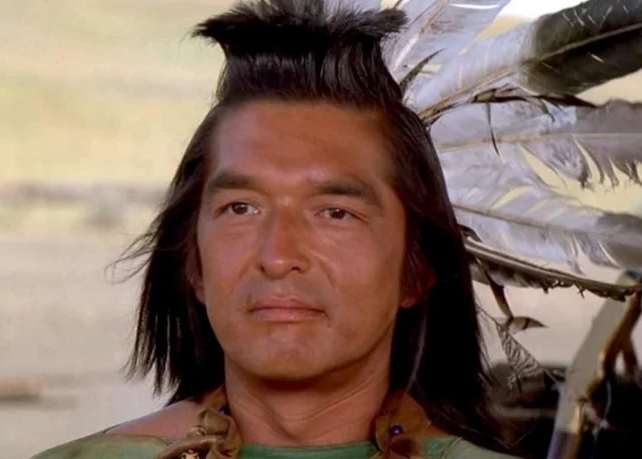
Graham Greene, the Canadian actor from the Six Nations of the Grand River in Ontario, has been a steady presence across film and television for more than four decades. Recognized early with an Academy Award nomination for his performance in Dances with Wolves, he went on to appear in projects as varied as The Green Mile, Longmire, and Wind River, moving with ease between studio films and independent productions.
Beyond the marquee titles, Greene’s career is marked by roles that balance character work with cultural grounding. Often cast as lawmen, mentors, and community figures, he brings a measured gravity that anchors stories without overpowering them, contributing to an evolving screen language for Indigenous representation.
This article traces Greene’s path from stage and early screen work to his breakout and sustained visibility, examining how his choices-and the industry’s shifting landscape-have shaped a body of work that is both wide-ranging and quietly influential.
From Six Nations roots to international recognition
Raised on the Six Nations of the Grand River, he channeled the cadence of community storytelling into a screen presence defined by quiet intensity and careful humor. Early work in theatre and radio honed a voice that listens before it speaks, carrying forward the teachings of elders and the rhythms of longhouse narratives. That grounding made every character feel lived-in rather than performed, turning supporting roles into anchors and transforming brief appearances into moments of authentic weight.
- Story-first choices that honor lived experience over stereotype
- Understated power-a look, a pause, a line delivered like a promise
- Cross-border collaborations that connect Indigenous perspectives with global audiences
| Year | Project | Role | Note |
|---|---|---|---|
| 1990 | Dances with Wolves | Kicking Bird | Oscar-nominated turn |
| 1992 | Thunderheart | Walter Crow Horse | Sharp, wry guide |
| 1999 | The Green Mile | Arlen Bitterbuck | Quiet gravitas |
| 2009 | New Moon | Harry Clearwater | Mainstream reach |
| 2017 | Wind River | Ben | Steady authority |
| 2023 | The Last of Us | Marlon | Audience favorite |
That trajectory-rooted at home, visible everywhere-made him a touchstone for range and longevity. From festival circuits to blockbuster franchises and prestige television, his performances carried a consistent integrity that broadened the frame for Indigenous storytelling. The result is unmistakable: an actor whose international recognition never eclipsed the community values that shaped him, and whose roles continue to open doors for voices still making their way to the screen.
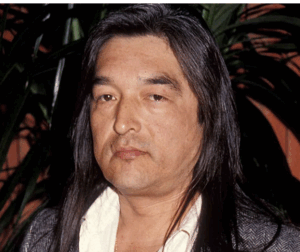
Defining performances that advanced authentic Indigenous representation
Across film and television, Greene’s characters insist on specificity over stereotype, offering a lived-in sense of place, protocol, and humor. As Kicking Bird in Dances with Wolves, he embodies quiet leadership and intellectual curiosity, shifting the lens from spectacle to community-centered daily life and diplomacy. His Walter Crow Horse in Thunderheart folds wry wit into procedural savvy, turning a thriller into a conversation about sovereignty, land, and law. In Skins, his portrayal of Mogie is tender and unsparing, mapping an intergenerational story of damage and devotion that refuses caricature. Even in brief turns like Arlen Bitterbuck in The Green Mile, Greene grounds the moment in ritual dignity, reminding audiences that ceremony, memory, and humor coexist.
Later work underscores his knack for recalibrating mainstream frames from the inside. As the tribal police chief in Wind River, he balances measured authority with cultural fluency; on Longmire, his layered antagonist widens the moral palette afforded to Native characters on network TV. Throughout, collaborations with Indigenous filmmakers and writers (including Chris Eyre) anchor performances in community-specific detail, while Greene’s presence behind the scenes as a steady collaborator helps normalize language, protocol, and casting choices that honor the story’s roots.
- Language integrity: characters who code-switch and use Indigenous languages with purpose.
- Cultural texture: attention to ceremony, humor, and everyday life-not just conflict.
- Genre subversion: turning westerns and procedurals into platforms for sovereignty and nuance.
- Relational focus: centering kinship, mentorship, and responsibility over lone-wolf tropes.
| Work | Year | Role | Representation Impact |
|---|---|---|---|
| Dances with Wolves | 1990 | Kicking Bird | Scholar-sage; language and diplomacy |
| Thunderheart | 1992 | Walter Crow Horse | Humor + sovereignty in a procedural |
| Skins | 2002 | Mogie Yellow Lodge | Intimate, intergenerational realism |
| The Green Mile | 1999 | Arlen Bitterbuck | Ceremonial dignity on screen |
| Wind River | 2017 | Tribal Police Chief | Measured authority; cultural fluency |
A curated watchlist with context and order to explore his filmography
Trace his range by starting with the role that introduced him to the world, then follow the shifts in tone that define his career. Begin with the quiet authority and cultural nuance of Dances with Wolves (1990), move into the politically charged, wry mentorship of Thunderheart (1992), and then let the levity of Maverick (1994) reveal his effortless comic timing. Fold in a soulful character turn in The Green Mile (1999) to see how he distills vulnerability into a few unforgettable scenes, touch the mainstream resonance of The Twilight Saga: New Moon (2009) for a different register of visibility, and cap it with the flinty, grounded realism of Wind River (2017).
- Dances with Wolves (1990) – Breakthrough gravitas; listens as powerfully as he speaks.
- Thunderheart (1992) – Dry wit meets activist undercurrent; a mentor with bite.
- Maverick (1994) – Breezy charm; proof he can steal laughs without raising his voice.
- The Green Mile (1999) – Brief, devastating poignancy as Arlen Bitterbuck.
- The Twilight Saga: New Moon (2009) – Franchise-scale warmth as Harry Clearwater.
- Wind River (2017) – Weathered authority as a tribal police chief; unshowy precision.
Thread in TV arcs as palate cleansers to feel his elasticity across formats: his turn as Leonard in Northern Exposure layers spirituality without cliché; Malachi Strand in Longmire sharpens his menace; and Rafe McCawley in Defiance shows blue-collar steel. Watch in this order to experience a clean build from intimate drama to genre play and back to contemporary neo-Western gravity-an arc that showcases how he anchors scenes with stillness, humor, and a quietly magnetic presence.
| Year | Title | What to note |
|---|---|---|
| 1990 | Dances with Wolves | Language, restraint, moral center |
| 1992 | Thunderheart | Wry humor with political weight |
| 1994 | Maverick | Comedic ease in a slick Western |
| 1999 | The Green Mile | Economy of emotion, elegy in brief |
| 2009 | New Moon | Franchise presence, grounded warmth |
| 2017 | Wind River | Understated steel, modern frontier |
Practical ways to go deeper including interview archives books and community perspectives
Build a richer portrait through primary sources. Start by mining interview vaults and festival Q&As to hear Graham Greene’s cadence, humor, and craft talk in his own words, then triangulate that with reviews and academic snapshots. Create a simple “role map” noting patterns-mentor figures, moral ballast, deadpan wit-and how they shift across eras and genres. Pair those findings with context reads on Indigenous representation to locate his performances within industry and community currents.
- Interview trails: CBC Digital Archives, TIFF conversations, APTN features, and radio shows like CBC’s Unreserved; search by show + “Graham Greene.”
- Festival/Q&A recordings: TIFF Bell Lightbox, imagineNATIVE, American Indian Film Festival-scan program archives or YouTube channels.
- Craft chats & guild talks: SAG-AFTRA Foundation Conversations, Academy of Canadian Cinema & Television panels, Directors Guild podcasts.
- Companion reading: “Hollywood’s Indian” (Rollins/O’Connor), “Native Americans on Film” (Marubbio/Buffalohead), and essays from Indigenous film scholars for frameworks on roles, authorship, and reception.
- Research tactics: clip key quotes, tag timecodes, cross-check with contemporaneous reviews, and note language around sovereignty, humor, and stereotype subversion.
| Resource | Why it matters | Quick tip |
|---|---|---|
| CBC Digital Archives | Historical interviews, Canadian context | Search by year + film title |
| TIFF Talks Library | Process-focused conversations | Filter by “Conversations” + “Actors” |
| imagineNATIVE Panels | Community-led critique | Browse program PDFs for speaker lists |
| APTN News/Docs | Indigenous media perspectives | Use exact-phrase search: “Graham Greene” |
| Library Catalogs (WorldCat) | Books & theses on Indigenous cinema | Set alerts for new acquisitions |
Listen beyond the spotlight. Community voices-filmmakers, critics, language keepers, and audience members-often surface what mainstream coverage misses: protocols on set, the ethics of representation, and the impact of long-running roles on younger artists. Treat these perspectives as living sources: ask, annotate, and attribute. Build a mini-syllabus you can share with a class, club, or podcast audience, refreshing it with each new role or festival season.
- Festivals & circles: Attend imagineNATIVE or local Indigenous film nights; take notes on audience Q&As and post-screening dialogues.
- Podcasts & radio: Tune into Indigenous-hosted shows; compare episode takeaways with press-junket narratives.
- Discussion prompts: How does Greene’s timing shape scenes of restraint? Which roles reframe tropes? Where do community reactions diverge from reviews?
- Share-back practice: Post a short, sourced thread or zine with quotes, clips, and reading links; invite corrections and additions from community members.
Insights and Conclusions
As the credits roll, Graham Greene’s career reads less like a highlight reel and more like a steady through-line in modern screen storytelling. Moving with ease between studio features and intimate dramas, he has built a body of work defined by clarity, restraint, and a grounded sense of presence. His performances have expanded the range of Indigenous representation on screen without fanfare, letting character and craft carry the weight.
The result is an enduring, quietly influential filmography-one that adapts to new genres and new audiences while keeping its center. Greene’s path shows how consistency can be as compelling as reinvention, and how a well-measured performance can echo long after a scene ends. Wherever the next role leads, the map is already clear: thoughtful choices, fully inhabited characters, and a voice that needs no amplification to be heard.