“Cure your periodontitis at home” sounds like a tidy promise-like restoring a storm-battered garden with a few careful cuts and fresh soil. But gums aren’t a weekend project, and periodontitis is more like a slow-moving landslide than a single fallen branch. It’s a chronic inflammation that can loosen teeth, erode bone, and quietly reshape your smile if left to itself.
Still, there’s good news: what you do at home matters a great deal. Daily choices can calm inflammation, reduce the bacterial load that drives the disease, and support the results of professional care. While established periodontitis usually requires a dentist or periodontist to halt and reverse damage, consistent, evidence-based habits are the backbone of staying stable-and sometimes the difference between progression and control.
In this guide, we’ll separate myth from method. You’ll learn which at-home routines have research behind them, the tools that help most, how lifestyle factors amplify or undermine your efforts, and the red flags that mean it’s time to call a professional. Think of it as a clear map for the terrain you can manage yourself-paired with signposts for when expert hands are essential.
Note: This article is informational and not a substitute for diagnosis or treatment. If you suspect periodontitis, seek a dental evaluation.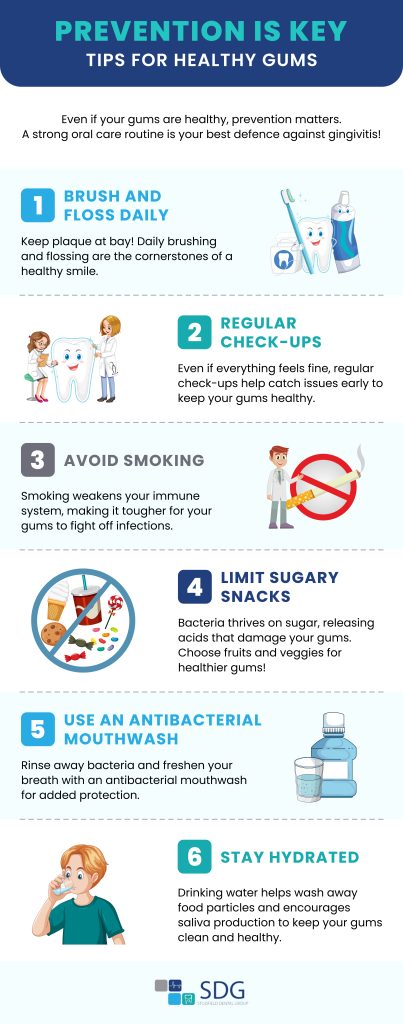
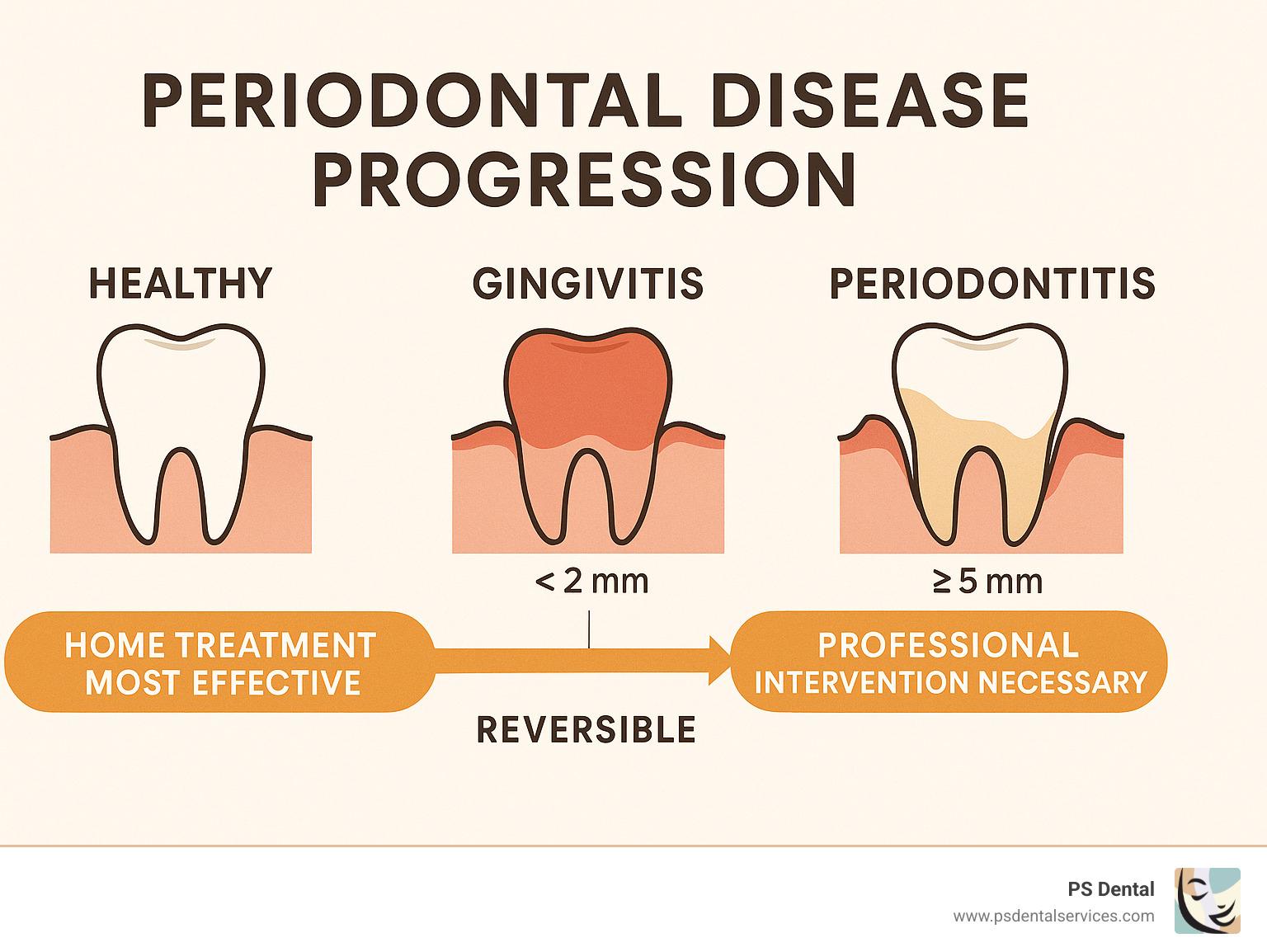
What home care can achieve for periodontitis and when professional treatment is essential
Consistent, meticulous home care can calm inflamed gums, reduce bleeding, and slow plaque-driven damage-yet it can’t remove hardened tartar below the gumline or rebuild lost bone. Treat your routine as daily biofilm control and tissue support. Anchor your day around:
- Two-minute brushing twice daily with a soft brush; angle bristles 45° toward the gumline.
- Interdental cleaning that fits your spaces: interdental brushes or floss; a water flosser as an adjunct.
- Targeted rinses (alcohol-free antiseptic) used as directed to avoid disrupting the oral microbiome.
- Tongue care and steady hydration to reduce odor-causing bacteria.
- Smart snacks (cheese, nuts, crunchy veg) and xylitol gum to support protective saliva.
- Smoke-free choices and regular sleep, which help gingival healing and inflammation control.
Escalate to a clinician when warning signs suggest deeper infection or structural loss; early intervention preserves teeth and shortens treatment. Seek care if you notice:
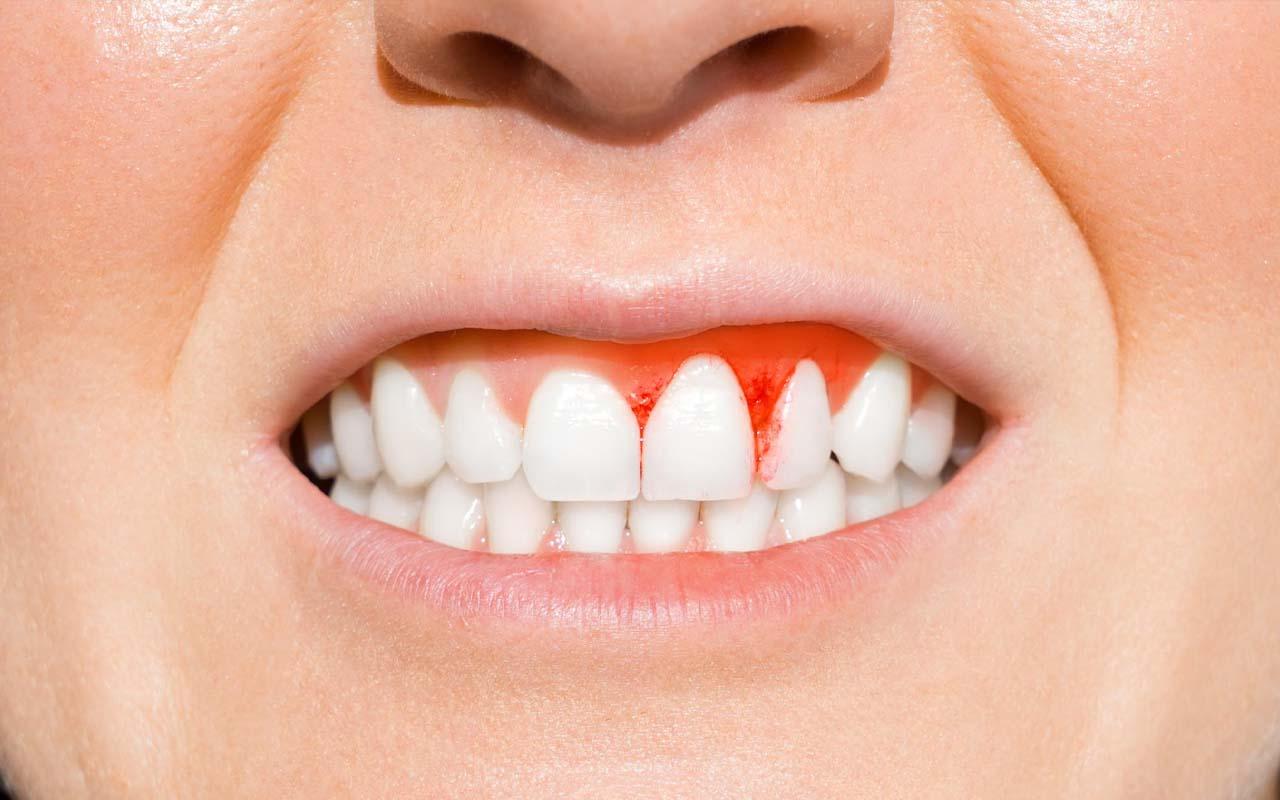
- Bleeding that persists beyond two weeks of diligent home care.
- Pockets ≈4 mm+, gum recession, or tooth looseness.
- Pain, swelling, abscess, or persistent bad breath/bad taste.
- Systemic risks (diabetes, pregnancy, immune conditions) or you smoke/vape.
- Visible tartar or a history of buildup-often requires scaling and root planing.
| At Home | In the Clinic |
|---|---|
| Daily plaque disruption | Removes subgingival calculus |
| Reduces bleeding and swelling | Decontaminates pockets |
| Supports fresh breath | Maps pockets, tracks bone loss |
| Stabilizes between visits | Scaling, root planing, surgery if needed |
| Habits and diet upgrades | Personalized maintenance schedule |
A precise daily routine electric toothbrush technique interdental brushes tongue care and water flossing
Make your mouth a system, not a scramble. Guide an electric brush along the gumline at a gentle 45°, letting the motor do the work while you drift in slow, overlapping passes-about 3-4 seconds per tooth surface. When bristles whisper under the margin, biofilm breaks without bruising. Slide in interdental brushes that fit snugly (never forced), in-and-out once or twice per space, rinsing the brush as it clouds with debris. Sweep the tongue from back to front with a scraper in steady strokes to strip odor-causing films. Finish with water flossing: lukewarm water, low-to-medium pressure, tip hovering at the gum edge and angling slightly into the sulcus; trace each pocket and pause where you see bleeding for two calm seconds.
- Order: Electric brush → Interdental brushes → Tongue → Water flosser
- Angle & touch: 45° to gumline when brushing, feather-light pressure; water flosser at 90° to the tooth with a 45° lean into the sulcus.
- Timing: ~2 minutes brushing, ~60-90 seconds water flossing, ~20-30 seconds tongue care.
- Coverage: Sweep every surface; pause 2 seconds at tender or bleeding points.
- Rinse rhythm: Spit, sip water, and recheck the gumline sheen-not squeaky, just clean.
| Time | Tools | Focus | Duration |
|---|---|---|---|
| Morning | Electric brush + scraper | Biofilm reset | ~3 min |
| Evening | Interdental + water flosser | Gumline purge | ~5 min |
Consistency beats intensity. Use a fluoride paste, keep the brush head fresh every three months, and stock two or three interdental sizes so each space gets the right fit. If a gap is too tight, choose a slimmer brush rather than pushing; if it’s roomy, size up to scrub the walls. For the water flosser, trace the gumline like you’re outlining a riverbank-slow, continuous, methodical. Nighttime is your deep clean; mornings are maintenance. Expect less bleeding by day 7-10, firmer gum edges by week two, and breath clarity that lasts. If tenderness spikes, dial down pressure, shorten pauses at hot spots, and keep the routine gentle-but-steady-the goal is daily disruption of plaque, not a single heroic scrub.
Antimicrobial strategies short courses of chlorhexidine essential oil rinses timing and side effect management
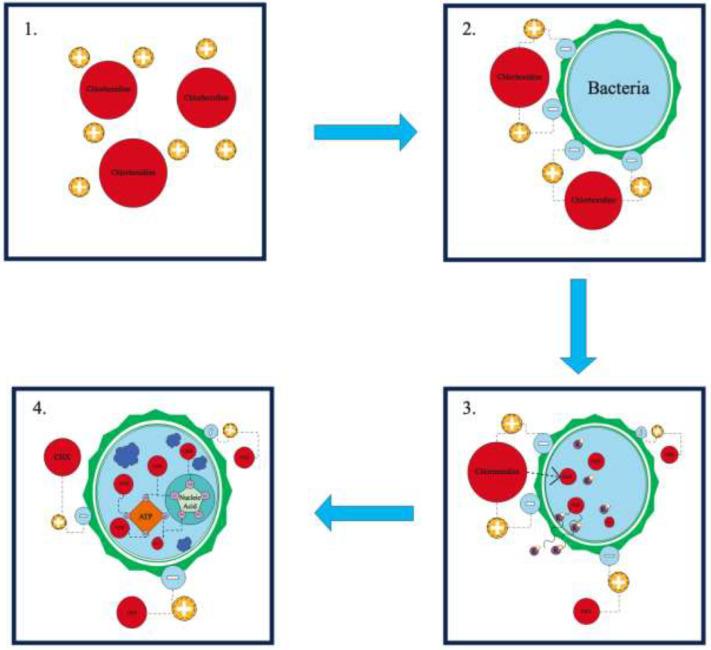
Think of mouthrinses as your tactical duo: a short, focused burst with chlorhexidine for flare-ups, followed by a steady essential-oil routine to keep biofilm pressure low. For chlorhexidine (0.12-0.2%), use 10-15 mL, swish for 30-60 seconds, twice daily for 7-10 days (max 14). Time it 30 minutes after brushing so toothpaste detergents don’t neutralize it, and avoid food or drink for 30 minutes afterward. For essential-oil rinses, use 20 mL for 30-60 seconds, twice daily in maintenance cycles of 3-8 weeks, choosing alcohol-free if you’re prone to dryness. This lets you harness strong kill-power briefly, then maintain balance without overusing heavy antiseptics.
- Best rhythm: floss and brush first; wait 30 minutes; then rinse.
- Do not mix or stack rinses in one session; alternate by days/weeks.
- No dilution for chlorhexidine; keep the label dose for full effect.
- Skip water rinsing immediately after; let the active coat the gums.
- Cycle idea: chlorhexidine 7-10 days → essential oils 3-8 weeks → one “off” week.
Side effects are manageable with a few small habits. Chlorhexidine can stain enamel and tongue, flatten taste, and increase calculus; essential oils can tingle or dry tissues if alcohol-based. Tighten your routine with a tongue scraper, low-abrasion whitening toothpaste 1-2× weekly, and stain-sparing choices (less coffee, tea, red wine) during a chlorhexidine sprint. If you notice irritation, switch to alcohol-free formulas, reduce frequency to once daily, and let tissues settle before the next cycle. Keep rinses away from kids, and don’t swallow.
| Common effect | What helps | Pause/seek help if |
|---|---|---|
| Brown staining | Whitening paste 1-2×/week, tongue scrape, limit dark drinks | Stain persists after 2-3 weeks off chlorhexidine |
| Taste changes | Take a 48-hour break; switch to essential oils | Lasts beyond a week or affects eating |
| Tissue irritation/dryness | Use alcohol-free EO; reduce to once daily | Ulcers, swelling, or rash appear |
| Toothpaste interaction | Wait 30 minutes after brushing before rinsing | Burning occurs every use despite timing |
Lifestyle and nutrition to calm gum inflammation stop smoking steady blood sugar omega rich foods hydration and stress control
Inflamed gums thrive on constant irritation, so think of your day as a series of tiny calming choices. Ditching tobacco is the single most potent move-smoke and vape aerosols starve tissues of oxygen and flood them with toxins. Keep your blood sugar steady by pairing carbs with protein and fiber to avoid the inflammatory roller coaster. Sip water consistently; a well-hydrated mouth maintains saliva flow that naturally buffers acids and rinses away debris. Aim for mineral-rich hydration (a pinch of mineral salt or electrolyte tablet in one bottle daily) to support tissue repair and healthy pH.
- Swap the smoke break for a 5-minute walk, sugar-free gum, or nicotine replacement as you taper.
- Build smart plates: protein + colorful veg + slow carbs (lentils, quinoa, oats).
- Carry a bottle: 2-3 sips every 20-30 minutes instead of chugging once.
- Limit alcohol and very sweet drinks that dry the mouth and spike glucose.
- Time your snacks: eat every 3-4 hours to prevent grazing-induced plaque acid.
Anti-inflammatory fats are your quiet allies-favor omega‑3-rich foods to balance the omega‑6 load from typical diets. Layer in stress hygiene: short bouts of breathwork or stretching lower cortisol that otherwise compromises immune defenses in the gums. Prioritize sleep consistency and a wind-down routine; your oral microbiome, like the rest of you, responds to circadian rhythm. Small practices, repeated daily, create a biochemical environment where the mouth can mend.
- Omega boosters: sardines, wild salmon, mackerel, walnuts, chia, flax.
- Micro-break reset: 4-6 minutes of box breathing (4-4-4-4) or a brisk stair climb.
- Night routine: dim lights, herbal tea, screens off 60 minutes before bed.
- Magnesium sources: pumpkin seeds, cacao, spinach-helpful for tension and sleep.
| Goal | Quick Pick |
|---|---|
| Omega‑3 intake | Canned sardines + lemon |
| Steady glucose | Greek yogurt + berries + nuts |
| Hydration | Water + electrolyte tablet |
| Stress reset | 5 slow breaths before meals |
Closing Remarks
If there’s one quiet truth to take with you, it’s this: the most powerful “at‑home cure” for periodontitis is consistency. Gentle, thorough daily care, smart tool choices, and attention to lifestyle can calm inflammation and protect what you have. But periodontitis is a deep infection of the supporting tissues; home routines support healing, they don’t replace professional diagnosis and treatment.
So, set your baseline-brush with care, clean between every day, mind your diet and stress-and pair it with a timely visit for a periodontal evaluation. Track signs that matter: bleeding that doesn’t improve, bad breath that lingers, gum recession, tooth mobility. If you notice severe pain, swelling, pus, fever, or a loose tooth, seek urgent dental care.
Your mouth changes slowly and honestly. Give it steady attention, enlist a professional partner, and let time do its work. Start tonight. Then keep going.
Leave a Reply